
Dark PR and the politics of Climate Truth: A Sri Lankan Perspective
Article | J Keshayinie Edmund
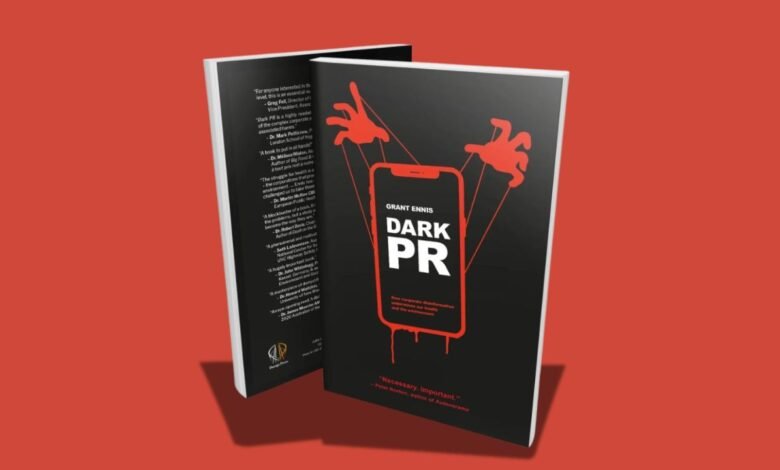
My engagement with the concept of “dark PR” was significantly shaped by my encounter with Dark PR, a critical work that interrogates the subtle yet pervasive mechanisms through which corporate and political actors manufacture doubt, distort public understanding, and strategically manipulate narratives in the public sphere. I was introduced to this text through the Asian College of Journalism during an online climate discourse titled “Reporting in the Age of Climate Disinformation.” This exposure proved particularly illuminating, as the book’s central arguments resonate deeply within the Sri Lankan context, where information ecosystems are often entangled with political interests, corporate influence, and post-conflict sensitivities. By situating global patterns of disinformation within local realities, Dark PR offers a compelling analytical lens through which to examine how environmental communication, public policy debates, and media practices in Sri Lanka are shaped—not merely by facts—but by orchestrated campaigns of persuasion and obfuscation.
Unmasking the Shadows: How Corporate Disinformation Threatens Our Health and Planet
In a world where information is power, the battle for truth has never been more critical especially when it comes to our health and the environment. Grant Ennis’s groundbreaking book, “Dark PR: How Corporate Disinformation Undermines Public Health and the Environment,” pulls back the curtain on the sophisticated tactics corporations use to shape public perception, influence policy, and ultimately protect profits at the expense of people and the planet. Lauded by public health experts and environmental advocates alike, “Dark PR” is a wakeup call for anyone concerned about the integrity of science, the safety of our communities, and the future of our world.
The Dark Art of Corporate Spin
Ennis’s book meticulously documents how powerful industries – ranging from tobacco and fossil fuels to food and chemicals – deploy public relations (PR) strategies to sow doubt, distract from scientific consensus, and delay regulatory action. These tactics, collectively known as “dark PR,” are not just about advertising or image management. They are about manufacturing uncertainty, manipulating media narratives, and even funding front groups that masquerade as grassroots organizations.
For example, the fossil fuel industry has long funded campaigns to question the reality of climate change, despite overwhelming scientific evidence. Similarly, the tobacco industry famously denied the health risks of smoking for decades, using PR firms to cast doubt on research and lobby against public health measures. Ennis reveals that these are not isolated incidents but part of a broader pattern of corporate behavior that undermines efforts to protect public health and the environment.
The Human Cost: Public Health Under Siege
The consequences of dark PR are not abstract—they are measured in lives lost and communities harmed. When corporations succeed in delaying regulations on harmful products or practices, people pay the price. For instance, the spread of misinformation about the dangers of lead in gasoline, pesticides in agriculture, or sugar in processed foods has contributed to chronic diseases, developmental disorders, and environmental degradation.
Ennis highlights how these campaigns often target vulnerable populations, exploiting gaps in public knowledge and trust. By funding “independent” research, sponsoring community events, or partnering with seemingly neutral organizations, corporations can create the illusion of consensus or controversy where none exists. This not only confuses the public but also hampers the efforts of health professionals and policymakers to enact meaningful change.
Environmental Fallout: The Planet Pays the Price
The environment is another casualty of corporate disinformation. From climate change denial to the downplaying of plastic pollution, dark PR campaigns have delayed action on some of the most pressing environmental issues of our time. Ennis details how industries have lobbied against clean air and water regulations, funded studies to minimize the perceived risks of toxic chemicals, and promoted “solutions” that shift responsibility onto consumers rather than producers.
One striking example is the promotion of recycling as the primary solution to plastic waste, a narrative pushed by the plastics industry to deflect attention from overproduction and lack of regulation. While recycling is important, Ennis argues that it is not a substitute for systemic change—such as reducing single use plastics or holding manufacturers accountable for waste.
The Power of Exposure: Why Transparency Matters
Despite the formidable resources of corporate PR machines, Ennis’s book offers hope. By exposing the tactics of dark PR, he empowers readers to recognize and resist manipulation. Transparency is a powerful antidote to disinformation. When journalists, scientists, and activists shine a light on hidden conflicts of interest, undisclosed funding, or misleading messaging, they help restore trust in public institutions and scientific research.
Ennis calls for stronger regulations on lobbying and corporate influence, greater support for independent journalism, and more robust public education on critical thinking and media literacy. He also highlights the importance of whistleblowers and investigative reporting in holding corporations accountable.
What Can We Do? Steps Toward a Healthier Future
The fight against dark PR is not just the responsibility of experts or policymakers-it requires collective action. Here are some steps individuals and communities can take:
- Stay Informed: Seek out reputable sources of information and be wary of “too good to be true” claims, especially those that downplay risks or shift blame.
- Support Transparency: Advocate for disclosure of funding sources in research, media, and advocacy organizations.
- Promote Accountability: Encourage policymakers to enact and enforce regulations that limit corporate influence over public health and environmental policy.
- Engage in Dialogue: Talk to friends, family, and community members about the impact of disinformation and the importance of evidence-based decision-making.
- Champion Independent Journalism: Subscribe to or donate to investigative outlets that expose corporate wrongdoing and inform the public.
Framing and Narrative Control
Corporations actively shape the narrative around health issues to protect their interests. They use PR firms, front groups, and sponsored experts to frame problems and solutions in ways that benefit them. For example, they:
- Deny or downplay health risks (e.g., tobacco, sugar, processed foods)
- Promote the idea that health problems are due to individual choices rather than systemic or environmental factors
- Normalize harmful conditions (e.g., obesity, diabetes) to reduce public urgency for change
The Nine Devious Frames
Ennis identifies a cross – industry playbook of nine “devious frames” that corporations use to undermine political will for change:
- Denialism: Denying the existence of health problems or their link to corporate products (e.g., “sugar doesn’t cause diabetes”).
- PostDenialism: Claiming that harmful products are actually beneficial (e.g., promoting sugar as healthy).
- Normalization: Presenting widespread health issues as normal or inevitable, reducing motivation for action.
- Silver Boomerangs: Promoting pseudo – solutions that sound plausible but are ineffective or counterproductive (e.g., exercise as the main solution to obesity, while ignoring unhealthy food environments).
- Magic Solutions: Distracting with futuristic or unproven solutions (e.g., genetic therapies, carbon capture) instead of addressing root causes.
- Treatment Trap: Focusing on treatment rather than prevention (e.g., selling diabetes treatments while promoting sugary products).
- Victim Blaming: Shifting responsibility onto individuals (e.g., blaming people for poor health instead of addressing unhealthy environments).
- Knotted Web: Emphasizing complexity to make problems seem unsolvable and discourage action.
- Multifactorialism: Arguing that problems have so many causes that no single solution is possible, diluting support for effective interventions.
Sponsorship and Influence
Corporations fund research, health organizations, and advocacy groups to influence public opinion and policy. For example:
- Sponsoring health charities and research to create conflicts of interest and soften criticism
- Lobbying for favorable policies and against regulations that would harm profits
- Virtue signaling through charitable donations or partnerships to distract from harmful practices
Delaying and Diluting Regulation
Corporations use legal, political, and PR tactics to delay or weaken regulations:
- Demanding more research before action is taken, even when evidence is strong
- Promoting voluntary pledges or self-regulation instead of enforceable laws
- Lobbying for tax breaks and subsidies that make unhealthy products cheaper and more accessible
Shifting Solutions to Individuals
By promoting education campaigns, labeling, and personal responsibility, corporations shift the burden of health onto individuals, undermining support for systemic change. These approaches have been shown to be ineffective at the population level but are widely promoted because they protect corporate interests.
Exploiting Complexity and Multifactorial Arguments
Corporations argue that health problems are too complex for simple solutions, which discourages decisive action. They promote the idea that everything is interconnected and that no single intervention will work, which dilutes political will for effective policy.
Example Implementation:
- The food and beverage industry funds studies that downplay the link between sugar and chronic disease, sponsors health organizations to soften criticism, and promotes exercise as the main solution to obesity while lobbying against sugar taxes or advertising restrictions.
- Pharmaceutical and food companies promote treatment (e.g., insulin, weight-loss products) over prevention, ensuring ongoing demand for their products.
To relate and apply the corporate disinformation strategies from Grant Ennis’s “Dark PR” to the context of SriLanka, we must first recognize that the tactics described in the book are global in nature and not limited to Western countries. The book emphasizes that multinational corporations use a cross-industry playbook of disinformation and framing techniques to undermine public health and environmental protections everywhere —including countries like Sri Lanka.
How “Dark PR” Tactics Manifest in Sri Lanka
1. Denialism and Normalization
Corporations operating in Sri Lanka, especially in sectors like tobacco, sugary beverages, processed foods, and fossil fuels, often deny or downplay the health and environmental risks of their products. For example, tobacco companies have historically denied the link between smoking and cancer, while food and beverage companies may minimize the role of sugar in diabetes and obesity—both of which are rising public health concerns in Sri Lanka.
2. Victim Blaming and Shifting Responsibility
A common tactic is to frame health issues as the result of individual choices rather than systemic or policy failures. In Sri Lanka, campaigns may focus on educating individuals to “eat healthy” or “exercise more,” while ignoring the aggressive marketing of unhealthy foods, lack of regulation, or the prevalence of junk food in schools and public spaces. This shifts responsibility away from corporations and policymakers, undermining support for regulatory action.
3. Funding Front Groups and Influencing Policy
Corporations may support or create organizations that appear to be independent but actually promote industry interests. In Sri Lanka, this could take the form of industry-funded research bodies or “public health” campaigns that subtly oppose sugar taxes, tobacco regulation, or environmental protections. These groups can influence both public opinion and government policy, making it harder to enact effective health and environmental regulations.
4. Delaying and Diluting Regulation
Lobbying against taxes on sugary drinks, tobacco, or fossil fuels is a well-documented strategy. In Sri Lanka, as in many countries, industry groups may argue that such taxes hurt the economy or unfairly target the poor, demanding more research or voluntary self-regulation instead of enforceable laws. This delays meaningful action on pressing health and environmental issues.
5. Pseudo-Solutions and Magic Frames
Corporations often promote solutions that sound good but are ineffective at the population level. For example, promoting recycling as the main solution to plastic pollution, rather than reducing plastic production or banning single-use plastics. In Sri Lanka, this can be seen in campaigns that focus on consumer behavior rather than systemic change.
6. Multifactorial and Knotted Web Arguments
When faced with calls for regulation, corporations may argue that health and environmental problems are too complex for simple solutions. For instance, they might claim that diabetes is caused by many factors (genetics, lifestyle, environment), so targeting sugar or junk food is unfair or ineffective. This dilutes political will for decisive action.
Example Applications in Sri Lanka
- Tobacco Control: The tobacco industry in Sri Lanka has used denialism, normalization, and lobbying to resist stronger packaging laws and advertising bans.
- Diabetes and Obesity: Food and beverage companies may fund research or public campaigns that emphasize exercise and personal responsibility, while opposing sugar taxes or restrictions on junk food marketing to children.
- Plastic Pollution: Industry campaigns may focus on consumer recycling and clean-up drives, rather than supporting bans on single-use plastics or holding manufacturers accountable for waste.
- Air Pollution and Fossil Fuels: Energy companies may argue that economic growth requires continued fossil fuel use, downplaying the health impacts of air pollution and climate change, and promoting technological fixes over regulatory action.
The strategies outlined in “Dark PR” are highly relevant to Sri Lanka. Corporations use denial, distraction, pseudo -solutions, and framing to delay or derail effective health and environmental policies. Recognizing these tactics is the first step for Sri Lankan policymakers, advocates, and citizens to demand stronger regulations, greater transparency, and systemic change that prioritizes public health and environmental sustainability over corporate profit.