
Understanding Tamil Cultural Heritage
Story and Picture | North East Narrative
The legacies left to us by past generations are known as heritage, and they remain invaluable in both the present and the future. Heritage is broadly classified into two types: tangible heritage and intangible heritage.
Tangible heritage includes monuments, ancient buildings, and works of art that can be physically seen and touched.
Intangible heritage consists of elements that cannot be physically touched, such as ancient technological knowledge, performing arts, rituals, customs, folk tales, and traditional songs.
Together, these forms of heritage represent the rich cultural identity and historical continuity of the Tamil people.
What Do Inheritances Do?
Such inheritances play an important role in effectively passing history on to future generations. They help preserve and protect the unique identity and characteristics of the people living in a particular region. Inheritances also help strengthen and sustain a sense of ethnic and cultural belonging. Above all, the presence of inheritance symbols in a region contributes to the growth of tourism and, as a result, helps present the region’s history and cultural features to the global community while also supporting economic development.
What Are the Inheritances of the Eelam Tamils Like?
It is natural to ask under which category the inheritances of the Eelam Tamils living in the northern and eastern parts of Sri Lanka can be classified. In this region, apart from those that were destroyed during the war, most of the inheritances that still remain can be included under the category of cultural heritage. These include both tangible inheritances and intangible inheritances.
Recently, the international travel guide magazine Lonely Planet selected the city of Jaffna as one of the world’s top 25 cities for tourists to visit in the year 2026. In the magazine, Jaffna is described as a city well suited for those who wish to learn about Tamil cultural values. From an international tourism perspective, this series of articles will serve as a written travel guide that explains how Jaffna, which holds such an identity, can be presented as a center of Tamil cultural heritage.
Keerimalai
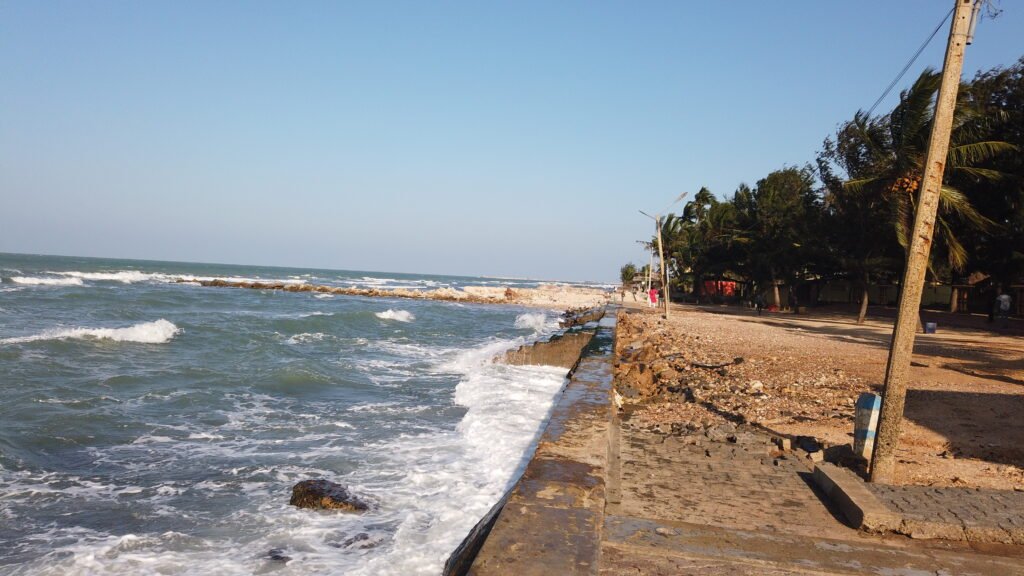
Keerimalai is one of the most important cultural heritage centers in the Jaffna Peninsula. This village is located about 19 kilometers north of Jaffna town. A beautiful shallow beach surrounded by limestone rocks and buildings constructed in the traditional architectural style of Jaffna form the distinctive boundaries of this village.
Easy Travel to Keerimalai
Keerimalai can be reached from the Jaffna Central Bus Stand by both government and private buses. It is also possible to travel by private three-wheelers. The bus fare on government and private buses is usually under 200 rupees, while the fare for a three-wheeler is generally under 2,500 rupees. When traveling from Jaffna town, the destination can be reached within approximately 45 minutes.
Places to Visit in Keerimalai
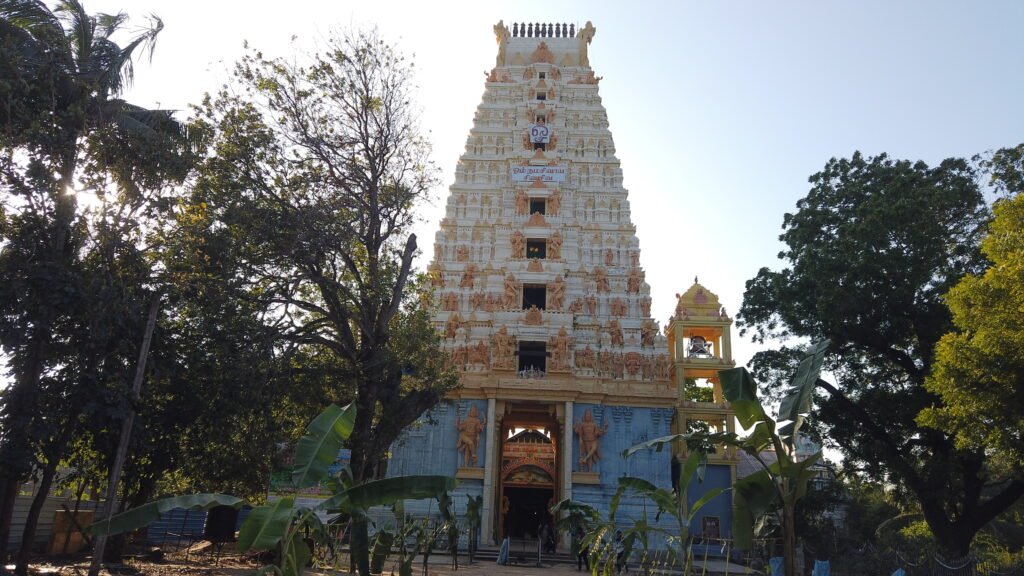
One of the most important places to visit in the coastal village of Keerimalai is the Naguleswaram Shiva Temple. Naguleswaram is recognized as one of the five most ancient Shiva temples in Sri Lanka. There are references that trace the history of this temple back to the period of the Ramayana. The Naguleswaram Temple is also well known as a sacred place for performing ancestral rites for the departed, and there is a legendary story associated with the origin of the temple.
In the 15th century, the Portuguese, who had brought Sri Lanka under their colonial rule, were the first to destroy this ancient temple. Later, thanks to the efforts of Arumuga Navalar, the temple was rebuilt and reopened in 1894. From 1956 to 2011, Naguleswaram was completely damaged while under the control of the Sri Lankan armed forces. Today, it has been reconstructed with renewed splendour and stands as a brightly adorned, vibrant temple once again.
History of Naguleswaram
Long ago, a sage named Sudhama was performing penance on Mount Meru. A mischievous huntsman being named Yamadhagini disturbed his meditation and, as a result of the sage’s curse, Yamadhagini developed a mongoose-like face. This mongoose-faced being bathed in the nearby sea close to present-day Naguleswaram and was cured of his deformity. Because of this, he came to be known as Nagula Munivar (Sage Nagula). Consequently, the coastal village was named Keerimalai (Mongoose-faced Hill) and Nagulakiri (Nagula’s Hill). Later, the Shiva temple built at the place where Sage Nagula worshipped came to be known as Naguleswaram.
Keerimalai Sacred Spring
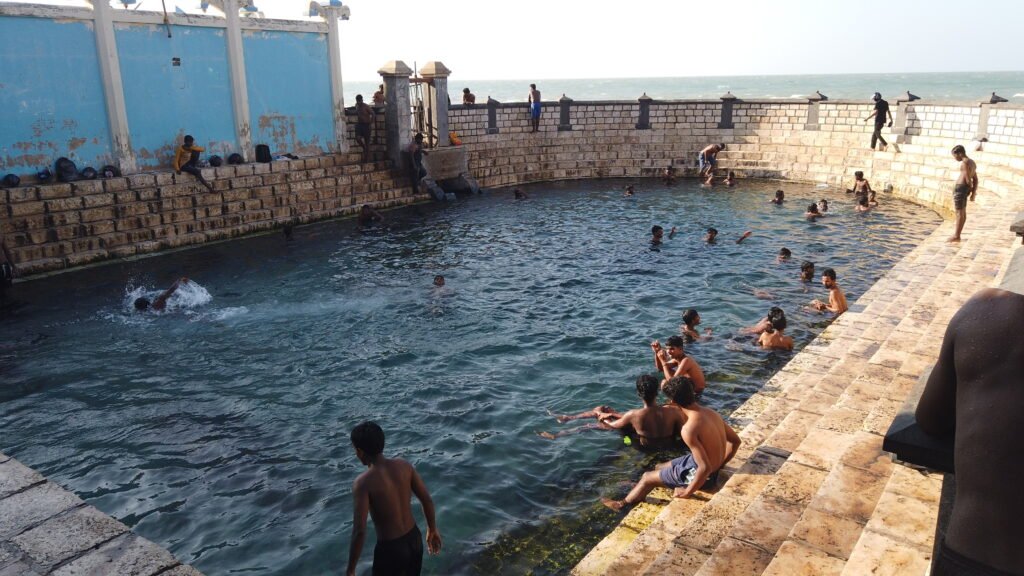
One of the main attractions that draws both devotees and tourists to Keerimalai is the long, oval-shaped sacred spring. This spring never dries up, and its fresh water is free from salt. It is believed that bathing in this spring during the daytime can cure various ailments and purify the body.
Sirappar Monastery
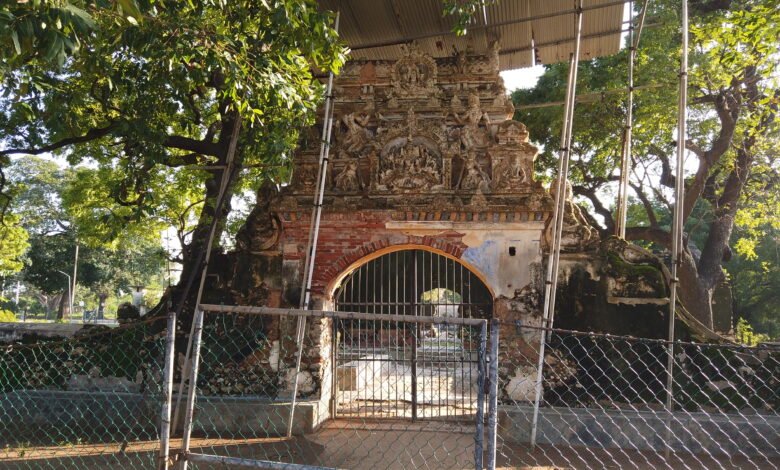
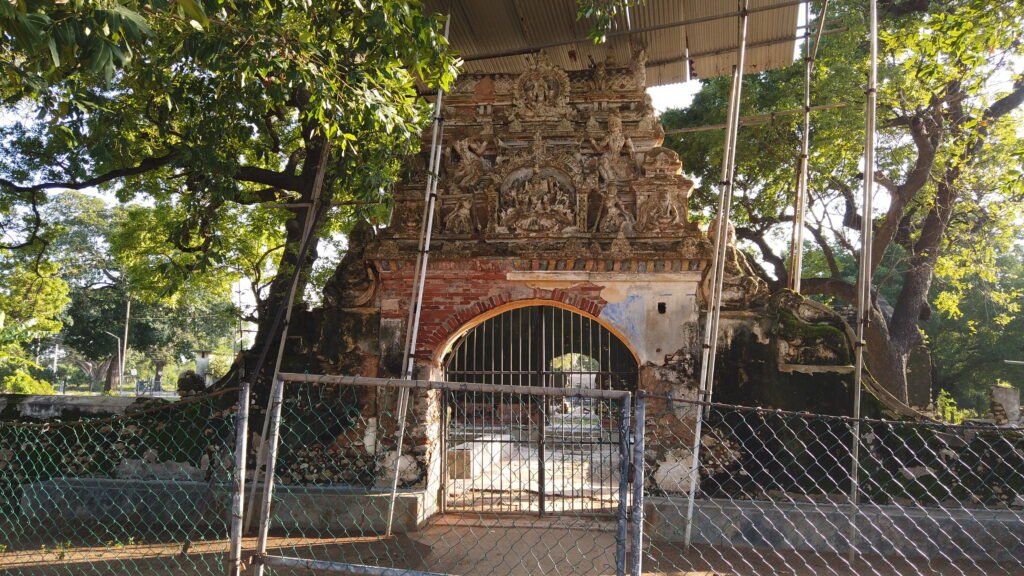
The Sirappar Monastery, located in Keerimalai, is an important center reflecting the traditional religious architectural heritage of Jaffna. It was established in 1870 by Subramaniyam Kathiravel under the name “Naguleswarar Swamigal Water Pavilion.” At that time, he held the prestigious title of “Sirappar,” which is why the monastery later became known as Sirappar Monastery. Pilgrims visiting Keerimalai have long used this monastery for resting, meditation, and fulfilling their religious duties.
It is said that there were 13 monasteries in the areas surrounding Keerimalai. All of them have now been destroyed. Although the Sirappar Monastery was badly damaged during the war, its architectural structure can still be observed today.
Meditation Pavilion for Peace of Mind
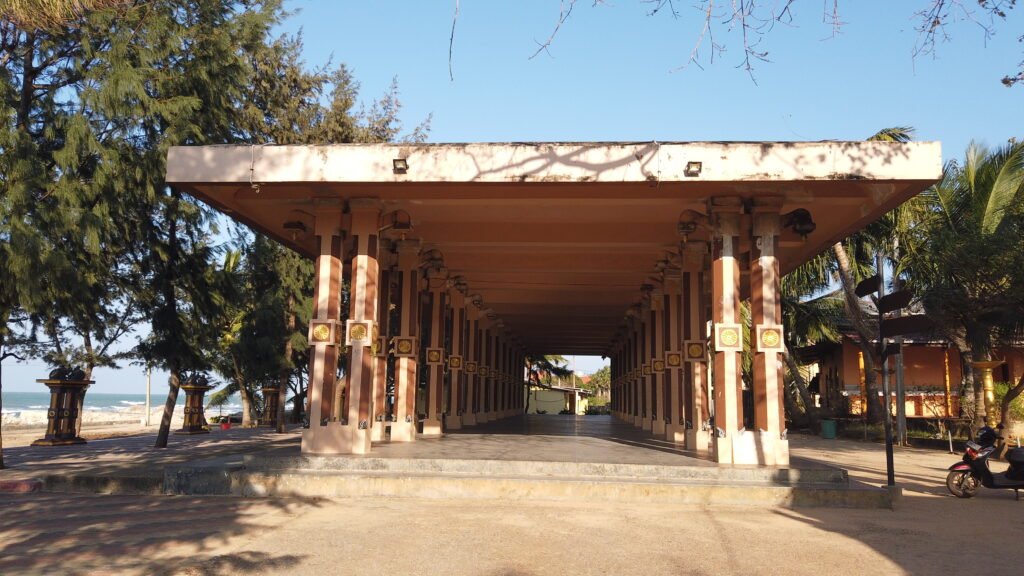
A grand pavilion located along the coastline of Keerimalai provides an ideal place for meditation. Both international and domestic tourists visit this pavilion in the early morning to meditate while listening to the gentle sounds of the waves, which bring peace to the mind. In Keerimalai, a meditation pavilion as well as a small temple for meditation has been established to facilitate this serene experience.
Rituals to Witness in Keerimalai
In the surroundings of the Keerimalai temple, rituals performed for the departed are an important attraction. These ceremonies can be observed from around 3 a.m. until sunrise. Tamil people who follow the Saiva tradition visit Keerimalai early in the morning on the 16th day after a family member’s death. Following religious customs, they perform rituals for the deceased and then immerse the remaining ashes in the sea after cremation.
In addition to these rituals, special annual worship ceremonies are held here during Aadi Amavasai (New Moon) in the month of Aadi (Mid July- Mid August), to offer peace and merit to the souls of the departed. Devotees from all over the country visit Keerimalai in large numbers to participate in these sacred rites.
Traveler Information: Food and Accommodation
There are numerous accommodation options near Keerimalai, in places like Tellippalai and Kankesanthurai. Likewise, restaurants serving Jaffna cuisine can be found along the roads leading to Keerimalai. A budget-friendly traditional restaurant called “Ammachchi Traditional Food Centre” also operates in Keerimalai. Here, Jaffna-style meals are prepared and served hot by women, and the food is both affordable and hygienic.
In addition, on Sundays and special occasions, free midday meals are served at the Sivapoomi Charitable Trust dining hall located in Keerimalai. Tourists visiting Keerimalai can also enjoy meals at this charitable hall. Those who wish to contribute to this service are welcome to do so.
In conclusion, for a tourist who wishes to explore the cultural heritage of Jaffna or for one seeking a place that brings peace of mind, Keerimalai is the foremost destination to choose.